
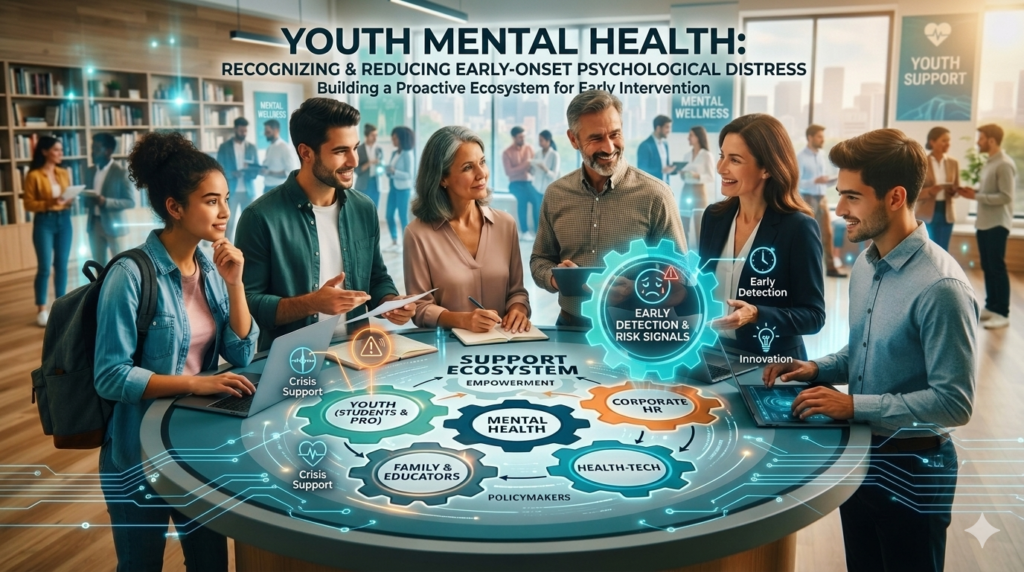
Understanding youth mental health is increasingly important, as many adolescents and young adults face psychological challenges that can significantly impact their lives. These issues often manifest as anxiety, depression, and other mental health disorders, which can be exacerbated by academic pressures and social expectations. This article examines the early signs of psychological distress in youth and outlines how parents, educators, and community stakeholders can effectively provide support and interventions.
In This Article
The mental health landscape for youth is complex, and recognizing early symptoms is essential for timely intervention. By fostering an environment where young individuals feel safe to express their struggles, we can cultivate a future generation that prioritizes mental well-being.
Understanding Youth Mental Health
Youth mental health encompasses the psychological well-being of adolescents and young adults, a demographic that often faces unique pressures. Mental health disorders can significantly impact daily functioning, academic performance, and overall quality of life for youth. With the prevalence of anxiety and depression rising, addressing these mental health concerns early is vital.
Ignoring mental health issues can lead to serious long-term implications. Untreated psychological distress can result in chronic mental health conditions, substance abuse, and even suicidal thoughts. Therefore, it’s imperative for parents, educators, and community members to recognize the importance of early intervention and support.
Recognizing Early-Onset Psychological Distress
Identifying early-onset psychological distress in youth can be challenging, as symptoms may vary greatly among individuals. Common signs include noticeable changes in behavior, such as withdrawal from social interactions, declining academic performance, and shifts in mood. These changes can manifest differently across genders and age groups, making it essential to remain vigilant and informed.
For example, boys may exhibit more externalized behaviors like aggression or irritability, while girls may display higher levels of anxiety and depression. Early recognition of these signs is crucial for parents and educators, as timely intervention can lead to better outcomes for youth facing mental health challenges.
The Role of Parents and Educators
Parents play a fundamental role in supporting their children’s mental health. Open communication is essential; parents should create a safe space for their children to express their feelings without fear of judgment. Encouraging healthy coping strategies, such as regular physical activity and mindfulness practices, can also be beneficial.
Educators also have a significant impact on youth mental health. Schools can implement programs that promote mental well-being and create environments where students feel supported. Training staff to recognize signs of psychological distress and providing mental health resources can foster a culture of understanding and acceptance within educational institutions.
Coping Strategies for Youth
Developing effective coping strategies is essential for young individuals dealing with anxiety and depression. Self-care practices, such as maintaining a balanced diet, regular exercise, and adequate sleep, are fundamental to overall mental health. Additionally, young people can benefit from mindfulness techniques, such as meditation and deep-breathing exercises, which can help manage stress and improve emotional regulation.
Resources like counseling services, support groups, and mental health apps can also provide valuable support for youth. These tools not only offer strategies for coping but also create a sense of community among those facing similar struggles.
Systemic Support and Policy Recommendations
To create a supportive framework for youth mental health, systemic change is necessary. Policymakers must prioritize mental health initiatives in schools and workplaces, ensuring that resources are readily available for young people. This includes increasing funding for mental health programs and training staff to better support students and employees.
Furthermore, enhancing access to mental health resources can make a significant difference. Initiatives that promote mental health awareness and education can empower youth to seek help when needed and reduce the stigma associated with mental health issues.
Frequently Asked Questions
What are the common signs of early-onset psychological distress in youth?
Common signs include changes in behavior, withdrawal from social activities, declining grades, and mood fluctuations. Being aware of these signs can enable timely interventions.
How can parents help their children cope with mental health issues?
Parents can create an open environment for discussion, encourage healthy coping mechanisms, and seek professional help when necessary. Active listening and support are crucial.
What role do schools play in supporting youth mental health?
Schools can implement mental health programs, train staff to recognize issues, and provide resources for students. A supportive school environment is essential for mental well-being.
Are there effective coping strategies for students dealing with anxiety and depression?
Yes, effective strategies include regular exercise, mindfulness practices, and maintaining a balanced lifestyle. Support groups and counseling can also provide necessary tools.
How can policymakers improve mental health resources for young people?
Policymakers can increase funding for mental health programs, promote awareness initiatives, and ensure that schools have access to mental health professionals.
What are the long-term effects of untreated psychological distress in youth?
Untreated psychological distress can lead to chronic mental health conditions, substance abuse, and difficulties in personal and professional relationships.
How can corporate HR departments support young professionals' mental health?
Corporate HR can promote mental wellness through initiatives like flexible work schedules, mental health days, and access to counseling services.
What online resources are available for youth mental health support?
Various online resources, including mental health apps, hotlines, and websites offering guidance, can provide essential support for youth experiencing mental health challenges.
Conclusion
Youth mental health is an urgent issue that requires attention from parents, educators, and policymakers alike. By recognizing early signs of psychological distress and implementing effective support strategies, we can create a healthier environment for young people. Encouraging open dialogue and providing resources are essential steps toward fostering resilience and well-being. Together, we can equip future generations with the tools they need to thrive despite the challenges they face.