
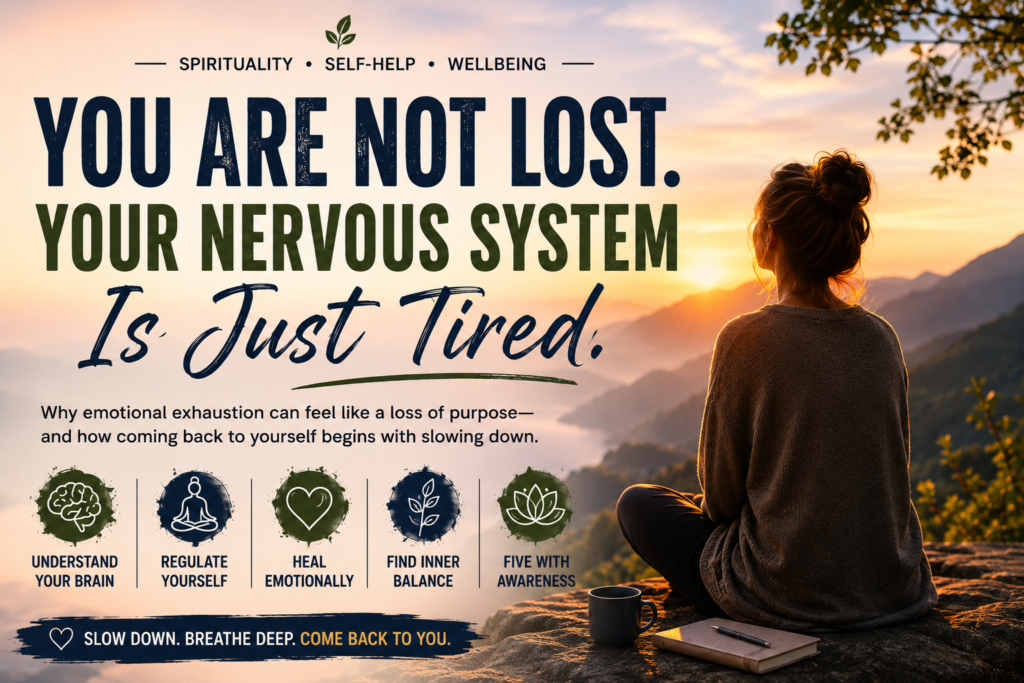
Feeling lost or overwhelmed is a common experience for many individuals. The emotional weight of stress, burnout, and a sense of disconnection can be challenging to navigate. However, these feelings may stem from more than just life's pressures. Your nervous system might be fatigued. Understanding this can be the first step toward healing and reconnecting with your emotional self.
In This Article
This article explores the role of the nervous system in emotional health, identifies signs of nervous system fatigue, and provides practical strategies to restore balance and well-being. If you’ve ever felt lost or overwhelmed, continue reading to learn how to address these feelings at their source.
Understanding the Nervous System
The nervous system plays a crucial role in regulating our emotions and responses to stress. It consists of two main components: the sympathetic and parasympathetic systems.
The sympathetic nervous system activates the body's fight-or-flight response, preparing you to face perceived threats. This response is essential for survival, allowing you to react quickly in dangerous situations. However, chronic activation due to ongoing stress can lead to exhaustion and emotional overwhelm.
Conversely, the parasympathetic nervous system promotes a state of rest and relaxation. It helps the body recover and maintain balance after stressors have passed. When your nervous system functions well, these two systems work in harmony, but fatigue can disrupt this balance, leading to feelings of disconnection and aimlessness.
Recognizing the signs of nervous system fatigue is vital for regaining emotional stability and well-being.
Signs Your Nervous System is Tired
Understanding the signs of nervous system fatigue can help you identify when it's time to take action. Common symptoms include persistent feelings of anxiety, difficulty concentrating, irritability, and emotional numbness. You may also experience physical symptoms such as chronic fatigue, insomnia, or digestive issues.
When overwhelmed, you might find it challenging to connect with others or enjoy activities that once brought you joy. These feelings can often lead to a sense of being lost or disconnected from yourself. Recognizing these signs is the first step toward addressing them and taking control of your emotional health.
It's essential to pay attention to how you feel and to understand that these symptoms indicate your nervous system needs care and attention.
The Connection Between Stress and Relationships
A fatigued nervous system doesn’t just impact your individual well-being; it can also strain your relationships. Stress and burnout can alter how you interact with others, leading to misunderstandings, withdrawal, or conflict.
When you're overwhelmed, you may become less patient or more reactive, creating a negative cycle in your relationships. It becomes challenging to communicate effectively or empathize with others when your nervous system is in overdrive. Recognizing how stress affects your interpersonal connections is crucial for fostering healthier relationships.
By addressing your nervous system fatigue, you can improve not only your emotional health but also the quality of your relationships. As you begin to heal, you'll find it easier to connect with those around you and rebuild emotional bonds.
Techniques for Nervous System Healing
Healing your nervous system involves adopting various techniques that promote relaxation and emotional regulation. One effective approach is mindfulness practice, which encourages you to focus on the present moment without judgment. Mindfulness can help you become more aware of your emotions and stress responses, enabling you to manage them more effectively.
Breathing exercises are another effective method for calming the nervous system. Techniques such as deep breathing or box breathing can help you activate your parasympathetic system, promoting relaxation and reducing stress. Grounding techniques, such as spending time in nature or engaging in physical activity, can also help restore balance to your nervous system.
Incorporating these practices into your daily routine can significantly contribute to your overall emotional well-being and help combat feelings of disconnection.
Reconnecting with Yourself
Once you've addressed nervous system fatigue, it's essential to focus on strategies for self-discovery and emotional regulation. Consider exploring activities that promote self-awareness, such as journaling or creative expression. These activities allow you to process your emotions and reconnect with your inner self.
Setting healthy boundaries is also vital for maintaining emotional health. Learn to say no to commitments that drain your energy and prioritize self-care activities that nourish your mind and body. Engaging in regular self-care practices, such as exercise, healthy eating, and relaxation, can help you feel more grounded and connected to yourself.
As you work on reconnecting with yourself, remember that this is a process. Be patient and compassionate with yourself as you navigate your emotional landscape.
Frequently Asked Questions
What does it mean when I feel lost or disconnected from myself?
Feeling lost or disconnected often indicates that you might be experiencing nervous system fatigue. This fatigue can lead to emotional overwhelm and make it difficult to connect with your true self.
How does the nervous system impact my emotions and stress levels?
The nervous system regulates your body's responses to stress. When it is overactive, particularly the sympathetic system, it can lead to heightened stress levels and emotional instability.
What are the signs that my nervous system is tired or overwhelmed?
Common signs of a fatigued nervous system include anxiety, irritability, difficulty concentrating, and physical symptoms like chronic fatigue or insomnia.
What techniques can I use to heal my nervous system?
Mindfulness practices, breathing exercises, and grounding techniques are effective ways to heal your nervous system and promote relaxation.
Can mindfulness practices help with nervous system fatigue?
Yes, mindfulness practices can enhance your awareness of stress responses and promote relaxation, making them beneficial for nervous system healing.
How do stress and burnout affect my relationships?
Stress and burnout can lead to irritability and withdrawal, making it difficult to communicate effectively and connect with others, which can strain relationships.
What are effective ways to reconnect with myself?
Engaging in self-discovery activities like journaling, setting healthy boundaries, and prioritizing self-care can help you reconnect with your true self.
Is it possible to recover from nervous system burnout?
Yes, with appropriate techniques and self-care, recovery from nervous system burnout is possible, leading to improved emotional health and well-being.
Conclusion
Recognizing the signs of nervous system fatigue is crucial for regaining emotional balance and well-being. By understanding the connection between your nervous system and your emotional health, you can adopt practical strategies to heal and reconnect with yourself. Start by incorporating mindfulness practices, setting boundaries, and prioritizing self-care to begin your recovery. Remember, you are not lost; your nervous system simply needs some nurturing.